





































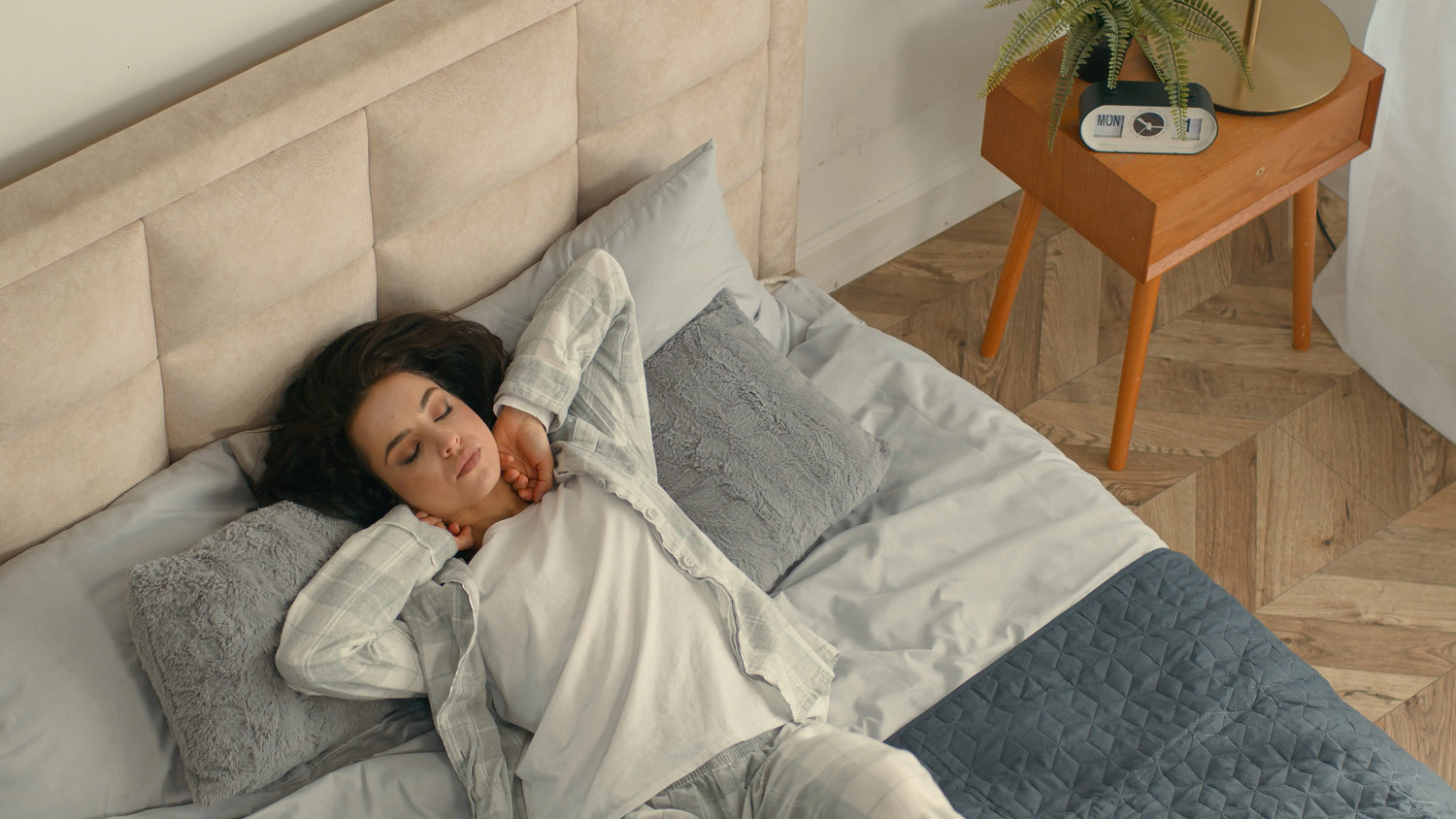
Waking up with neck pain is one of the most frustrating ways to start the day. You go to bed feeling fine, yet wake up stiff, sore, or unable to turn your head comfortably. If this sounds familiar, you’re not alone.
Neck pain after sleep is a common issue, and research suggests that sleep-related factors contribute to a noticeable portion of chronic neck pain cases.
The good news is that in many situations, the cause is identifiable and manageable with the right adjustments.
Below are the four most common causes of neck pain after sleep, followed by evidence-informed solutions to help you wake up feeling better.

Why You’re Waking Up With Neck Pain?
1. Poor Sleeping Position and Head Angle
Your neck is designed to stay in a neutral position, aligned with the rest of your spine. During sleep, however, this alignment is often disrupted.
Sleeping with your head tilted too far forward, backward, or rotated for hours places continuous strain on neck muscles and ligaments. Over time, this leads to stiffness, inflammation, and morning pain.
This is especially common among stomach sleepers, as the head must remain turned to one side throughout the night.
2. Inadequate Pillow Support
One of the most overlooked causes of neck pain is using the wrong pillow.
A pillow that is too high forces the neck into side bending. A pillow that is too low allows the head to drop, overstretching neck tissues. Both situations disrupt spinal alignment and increase muscle tension during sleep.
Different sleep positions also require different levels of support, and many standard pillows fail to meet those needs consistently throughout the night.
3. Sudden or Uncontrolled Movements During Sleep
Tossing, turning, or sudden head movements can place the neck in unnatural positions, especially when pillow support is unstable.
Without proper support, your head may fall sideways or twist abruptly as you change positions, increasing the risk of muscle strain or joint irritation by morning.
4. Pre-Existing Conditions Affecting the Cervical Spine
In some cases, neck pain after sleep is influenced by underlying conditions, including:
-
Arthritis or joint inflammation
-
Degenerative disc disease
-
Osteoporosis
-
Spinal stenosis
These conditions can make the neck more sensitive to prolonged static positions during sleep, increasing discomfort upon waking.
If neck pain is severe, persistent, or accompanied by neurological symptoms, medical evaluation is recommended.

Solutions to Reduce Neck Pain After Sleep
Addressing neck pain requires correcting both sleep posture and support quality.
Improve Sleep Position
-
Sleep on your back with a pillow that supports the natural curve of your neck.
-
If side sleeping, ensure your pillow fills the space between your shoulder and head to keep your spine level.
-
Avoid stomach sleeping whenever possible.
Use Proper Neck Support
-
Choose a pillow that maintains cervical alignment rather than allowing collapse or excessive elevation.
-
Look for materials that provide contouring support without flattening overnight.
Reduce Muscle Tension
-
Gentle neck stretching before bed and after waking can help improve mobility.
-
Alternating heat and cold therapy may reduce stiffness and inflammation.
Practical Suggestions for Long-Term Relief
-
Maintain a consistent sleep position rather than frequent rolling.
-
Pair your pillow with a supportive mattress that doesn’t allow excessive sinking.
-
Be mindful of daytime posture, especially prolonged screen use, which can worsen nighttime neck strain.
-
Replace pillows regularly once they lose shape or support.
Small changes, when applied consistently, can make a meaningful difference in how your neck feels each morning.
How Slumblr® Pillows Support Healthier Sleep Posture
If you struggle to find a pillow that feels luxuriously soft yet reliably supportive, especially for side sleeping, the Slumblr® Goose Down Pillow delivers a thoughtful solution rooted in both comfort and structure.

-
Balanced neck support with hotel‑style softness: A premium 70% goose down and 30% down‑alternative fill delivers plush comfort.
-
Three‑compartment design for better alignment: A structured inner core supports the neck, while softer side chambers reduce noise and pressure.
-
Breathable, durable, and certified safe: Wrapped in a smooth 70% silk and 30% cotton cover for airflow and comfort.

Achieving proper spinal alignment during rest is key to reducing strain and preventing chronic neck or back pain.
Slumblr® Neck Roll Pillow offers a curated range of ergonomically designed pillows that address different posture challenges, whether you’re sleeping, lounging, or simply relaxing throughout the day.

-
Targeted support where you need it: This memory foam roll delivers gentle, precise cushioning for neck, lower back, or knees, ideal for improving alignment during rest, reading, or seated relaxation.
-
Streamlined, portable design: The compact cylindrical shape fits easily across beds, sofas, office chairs, or in travel bags, support without the bulk.
-
Adaptive memory foam comfort: The contoured core molds to your body’s pressure points, while the soft, breathable cover adds comfort for everyday use at home or on the go.

To sum up,
Neck pain after sleep isn’t random. In most cases, it’s the result of poor alignment, inadequate support, or prolonged strain during rest.
By identifying the cause, improving sleep posture, and choosing a pillow designed for proper cervical support, you can significantly reduce morning discomfort and improve sleep quality.
If waking up pain-free matters to you, start with how you sleep, and what supports your neck through the night.





Leave a comment
This site is protected by hCaptcha and the hCaptcha Privacy Policy and Terms of Service apply.