















Beauty sleep is one of those phrases that sounds like marketing until you catch yourself in a mirror after four bad nights. The term covers two separate things that often get blended together: how well you actually sleep, and what your face and hair spend those hours pressed against. The first matters more. The second is easier to fix and gets ignored. This guide covers both, and is honest about where the line is between what a sleep setup can change and what it cannot.

What does beauty sleep actually mean?
Beauty sleep refers to the visible effects of sleep quality and sleep surface on skin and hair. The larger factor by a wide margin is simply getting enough genuine, uninterrupted sleep, because that is when your body does most of its repair work. The surface you sleep on is a smaller but real and controllable second factor.
It helps to split the problem properly. Getting seven or eight hours of good sleep affects how your skin looks in ways no product can replicate. That is the part worth protecting first, and most of this blog is about exactly that.
What you sleep on affects a narrower set of things: friction against your hair and face, how much moisture your bedding pulls out of your skin overnight, and whether you wake up with creases pressed into one cheek. Those are mechanical problems with mechanical solutions, which is why they are the easier half to solve.
Anyone promising that a pillowcase will transform your skin is overselling. Anyone telling you the surface makes no difference has never woken up with a crease across their face that lasted until lunchtime.
Why do you wake up with creases on your face?
Face creases happen because your skin is pressed and held against a surface for hours while your face is relaxed. On a cotton pillowcase, the fabric grips the skin rather than letting it glide, so when you move, your skin folds and stays folded in that position for as long as you stay there.
This is why side and front sleepers get creases and back sleepers mostly do not. It is a contact problem, not a skin quality problem, and it happens to everyone regardless of what they put on their face before bed.
Most creases from a single night settle within an hour or two of getting up. The question people actually care about is whether repeating that every night for years matters, and the honest answer is that it is debated, the evidence is not strong, and nobody can tell you with confidence. What is not debated is the short-term version: if you have woken up an hour before something that matters with a line down one cheek, the surface caused that.
Two things reduce it. Sleeping on your back, which most people cannot make themselves do. And reducing how much the fabric grips, which anyone can do tonight.

Does your pillowcase affect your hair?
Yes, and this one is less ambiguous than the skin question. Hair friction against fabric is a mechanical process you can observe directly. A rougher, more absorbent surface catches individual strands as you move, which lifts the hair cuticle and produces the tangles and frizz you wake up with.
The effect is larger for some people than others. Long hair has more surface area in contact with the pillow all night. Curly and textured hair is more prone to frizz from friction. If you spend time on your hair in the evening and find it undone by morning, your pillowcase is a plausible culprit, and an unusually cheap one to test.
Absorbency is the second half of it. Cotton is good at pulling moisture, which is exactly what you want in a towel and exactly what you do not want against hair and skin for eight hours. Anything you applied in your evening routine is partly going into the pillowcase rather than staying where you put it.
What should you look for in a pillowcase for skin and hair?
The two properties that matter are a low-friction surface and low absorbency. You want hair and skin to slide across the fabric rather than catch on it, and you want your bedding to pull as little moisture as possible out of what it touches.
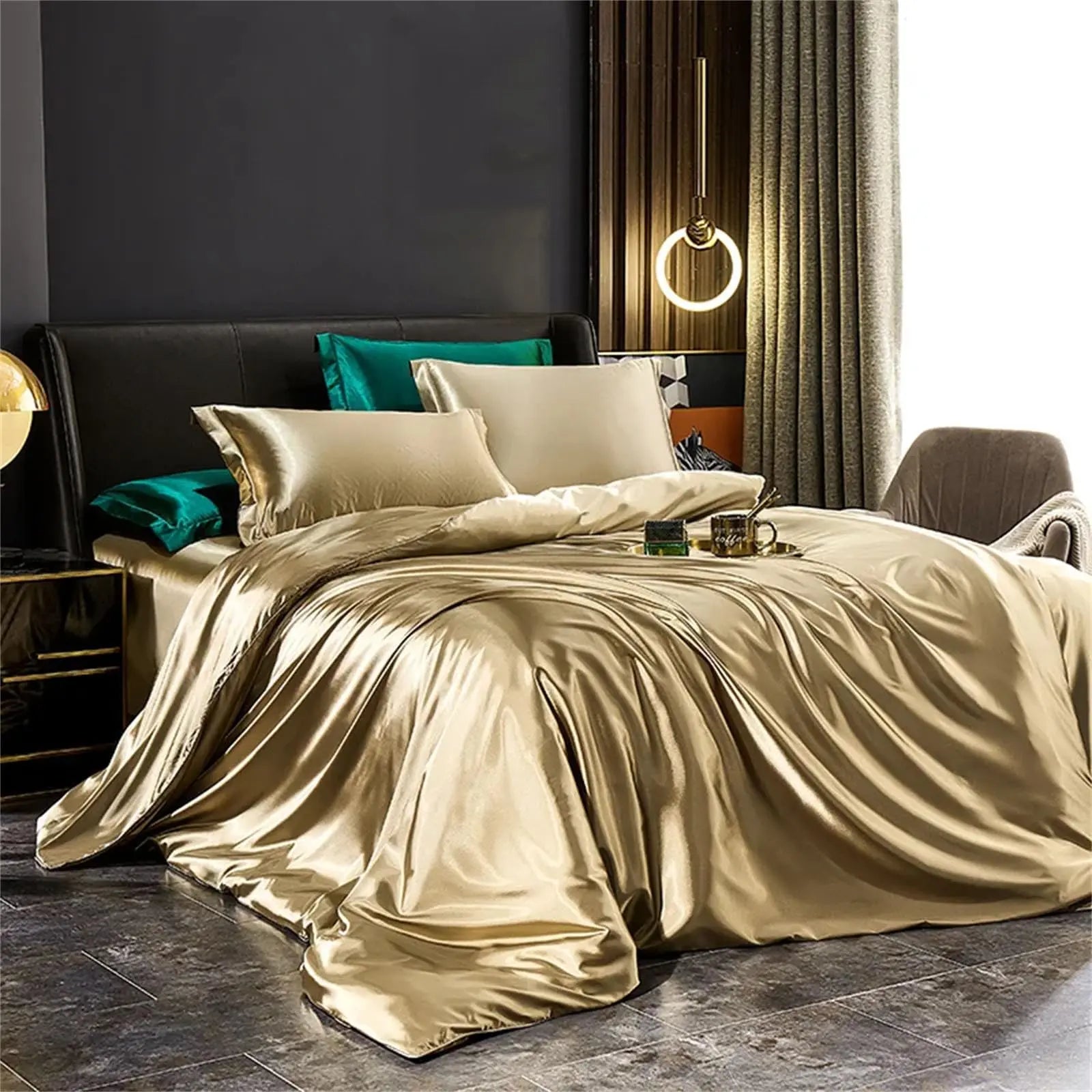
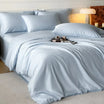
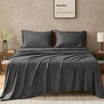
The Slumblr® Natural Mulberry Silk Pillowcase is built around that smoother surface. The product page describes a smooth, breathable fabric chosen for softness and airflow, and frames the problem it solves as rough or non-breathable pillowcases feeling irritating and warm during rest. It measures 20 by 30 inches (51 by 76 cm) in a single size, comes in seven colours including white, grey, light pink and sky blue, and is machine washable. It holds a 4.5 rating from 154 reviews.
Breathability is worth calling out separately from the skin and hair question, because a cooler sleeping surface helps you sleep better, and sleeping better is the part that actually does the heavy lifting here. If overheating is a recurring problem for you, our guide to sleeping cool and the bedding that regulates body heat covers the rest of the setup.
One practical note on shopping this category generally. Silk pillowcases are usually sold on two specs: momme, which is the weight of the fabric, and the percentage of mulberry silk in the blend. Most listings in this category, including this one, do not publish both. If those numbers matter to you, it is reasonable to ask a retailer directly rather than assume.

How does blocking light change how rested you look?
Light exposure during the night fragments sleep, and fragmented sleep is the thing most visibly written on your face in the morning. Blocking light is therefore less of a beauty product than it sounds and more of a direct intervention on sleep quality itself.
The gap between a dark room and a nearly dark one is bigger than people expect. Streetlights through thin curtains, a charging indicator, a partner's screen, or summer mornings arriving at 5 a.m. all pull you toward lighter sleep without necessarily waking you enough to remember it.
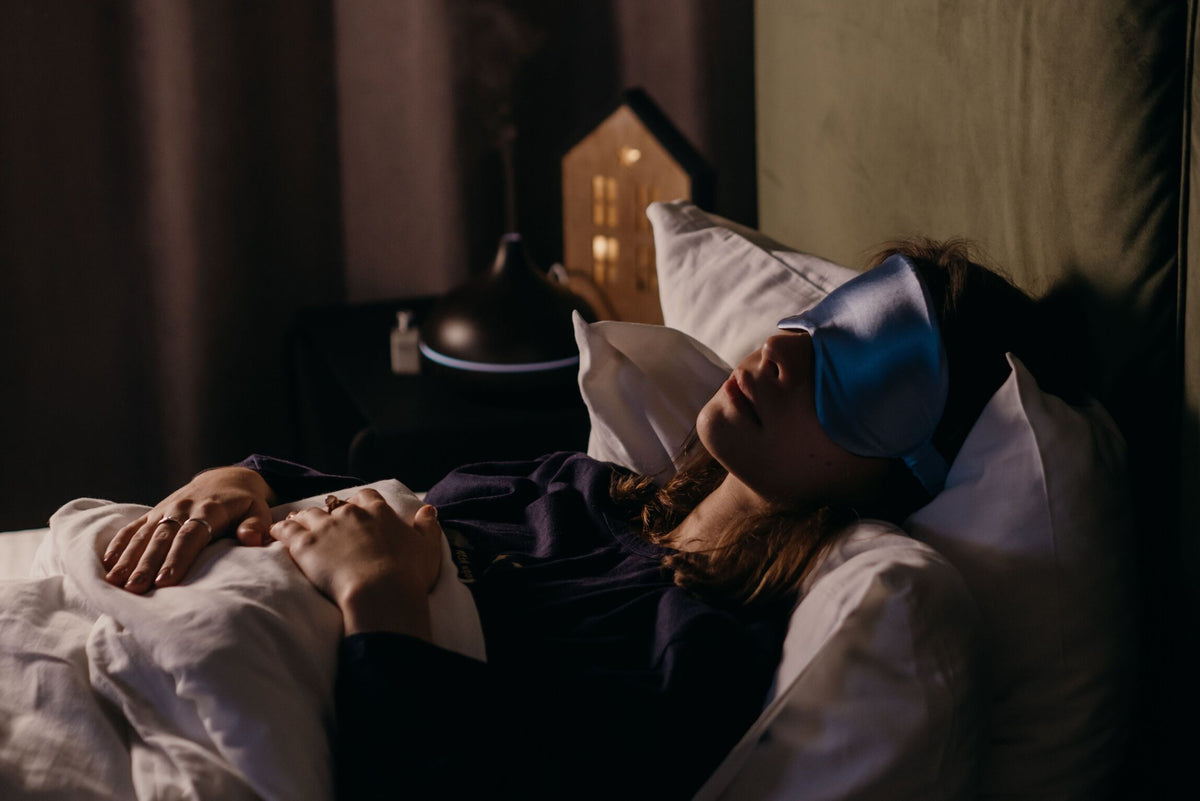
The Slumblr® Bamboo Silk Sleep Mask handles the part of the problem curtains cannot. It uses a contoured design with an adjustable strap, which the product page describes as creating a secure fit while limiting light entry without pressure. That last detail is the one that decides whether a mask stays on all night or ends up on the floor, since pressure against the eyes is what makes most people take one off.
It is made from bamboo rayon with a silky, lightweight texture, which keeps the same low-friction principle against the delicate skin around your eyes. It comes in seven colours, packs down small for travel, flights and hotel stays, and carries a 4.5 rating from 18 reviews.

How do you wash a silk pillowcase without ruining it?
Silk is a protein fibre, so it responds badly to heat, harsh detergents and aggressive agitation. The general rule for any silk item is cool water, a gentle cycle, a mild detergent without bleach or enzymes, and air drying away from direct sun.
A few specifics that protect it. Put it in a mesh laundry bag so it is not abraded by zips and buttons on other items. Skip the tumble dryer, since heat is what dulls the surface and shortens its life. Skip fabric softener, which coats the fibres and removes the slip you bought it for.
Wash it more often than you think. A pillowcase against your face collects oil and product residue faster than the rest of your bedding, and a dirty smooth pillowcase is worse for your skin than a clean rough one. Weekly is a reasonable baseline, more often if you use leave-in products or have oily skin.
Buy two if you are going to commit to it. The single most common reason people abandon a nicer pillowcase is that the only one they own is in the wash, so the old cotton one goes back on and stays there.
What a pillowcase cannot do
A low-friction pillowcase reduces friction and overnight creasing. That is the mechanism, and it is a real one. It is not a treatment for any skin condition, it does not replace sun protection or a skincare routine, and it will not resolve hair damage that has other causes.
If you are dealing with persistent acne, eczema, dermatitis, hair loss, or any skin or scalp condition that is not improving, that is a conversation with a doctor or dermatologist rather than a bedding purchase. Changing what you sleep on is a sensible thing to do alongside proper advice and a poor substitute for it.
The same honesty applies to the sleep side. If you are consistently not sleeping enough, no surface will compensate, because the repair work your skin depends on happens during the sleep you are not getting. Fixing the hours is the higher-leverage move, and everything in this guide is a smaller optimisation sitting on top of it.

FAQ
Does a silk pillowcase really help your hair?
It reduces friction, which is the mechanism behind overnight tangling and frizz. A smoother surface lets hair slide rather than catch. The effect is most noticeable for long, curly or textured hair, which spends more time and surface area in contact with the pillow.
Will a silk pillowcase stop face creases?
It reduces them by letting skin glide instead of grip, but no pillowcase eliminates creasing entirely if you sleep with your face pressed into it for eight hours. The Slumblr® Natural Mulberry Silk Pillowcase offers a smoother surface than standard cotton for exactly this reason.
How often should you wash a silk pillowcase?
About once a week under normal use, and more often if you have oily skin or apply products before bed. A pillowcase that touches your face collects oil faster than the rest of your bedding, so a clean ordinary one beats a dirty premium one.
Does a sleep mask actually improve sleep?
It helps by removing light, which fragments sleep even when it does not fully wake you. The Slumblr® Bamboo Silk Sleep Mask uses a contoured shape and adjustable strap to block light without pressing on the eyes, which is usually why masks get removed mid-night.
Is beauty sleep a real thing?
The sleep part is. Your body does significant repair work during sleep, and consistently poor sleep shows in your skin. What you sleep on affects a narrower set of things, mainly friction and creasing, and is best treated as an addition to enough sleep rather than a replacement for it.
Can a pillowcase help with acne?
It is not a treatment. A clean, low-friction surface may reduce irritation from rubbing, and washing your pillowcase frequently is sensible regardless. Persistent acne is worth discussing with a doctor or dermatologist rather than managing through bedding.



Leave a comment
This site is protected by hCaptcha and the hCaptcha Privacy Policy and Terms of Service apply.