






























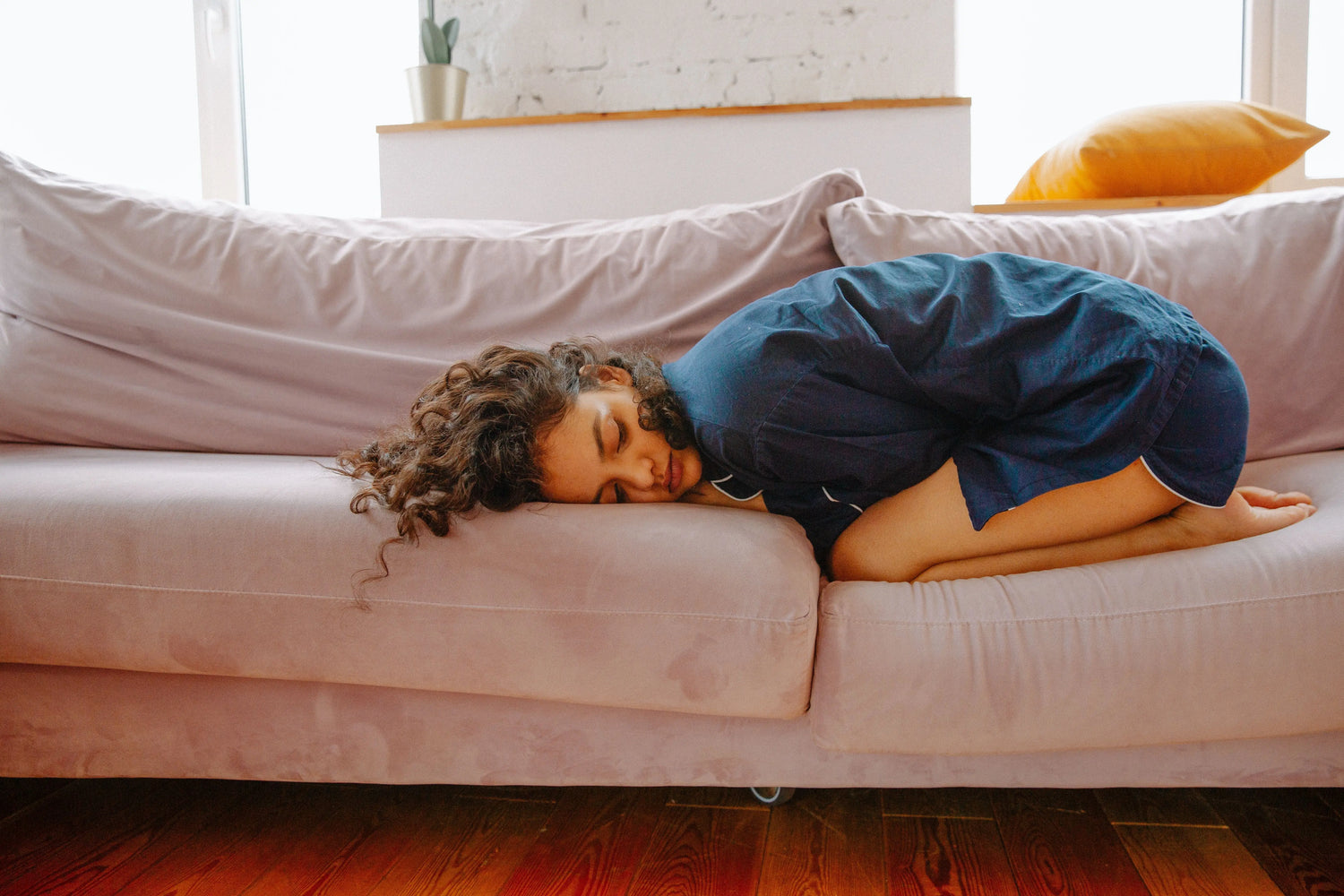
You used to fall asleep the moment your head hit the pillow. Now you're lying awake at 2 a.m., staring at the ceiling, wondering what happened.
If you're between 35 and 55, you're not imagining it sleep does get harder with age. But before you reach for a sleep aid, consider this: the problem might not be in your head. It might be in your pillow. Or your mattress. Or the way you've been sleeping for the past 20 years.

Why Sleep Changes After 35
Hormonal shifts are the most commonly cited reason. After 35, both men and women experience a gradual decline in melatonin production the hormone that regulates your sleep-wake cycle. Women approaching perimenopause often deal with night sweats and temperature fluctuations that fragment sleep. Men see a drop in testosterone, which is closely linked to deep, restorative sleep stages.
But hormones aren't the whole story. Two other factors quietly compound the problem as we age:
- Musculoskeletal changes: Muscles and connective tissue lose flexibility over time. Old sleeping positions that once felt fine can start causing neck tension, lower back aches, and hip pressure all of which pull you out of deep sleep without you even realizing it.
- Sleep architecture shifts: The proportion of deep (slow-wave) sleep naturally decreases with age. This means you spend more time in lighter sleep stages, making you more vulnerable to disruptions including discomfort you'd have slept right through at 25.
The result? You wake up more often, take longer to fall back asleep, and feel less rested even after a full 8 hours.

The Posture–Sleep Connection Most People Miss
Here's something most sleep articles don't tell you: poor sleep posture creates a feedback loop.
When your spine isn't properly supported, your muscles stay partially contracted throughout the night trying to compensate. This triggers micro-awakenings brief moments of light sleep or wakefulness that you may not consciously remember, but that rob you of deep, restorative cycles.
Over time, this cycle entrenches itself. You sleep lightly you wake up stiff you associate bed with restlessness you struggle to fall asleep the next night.
The three posture mistakes that get worse with age
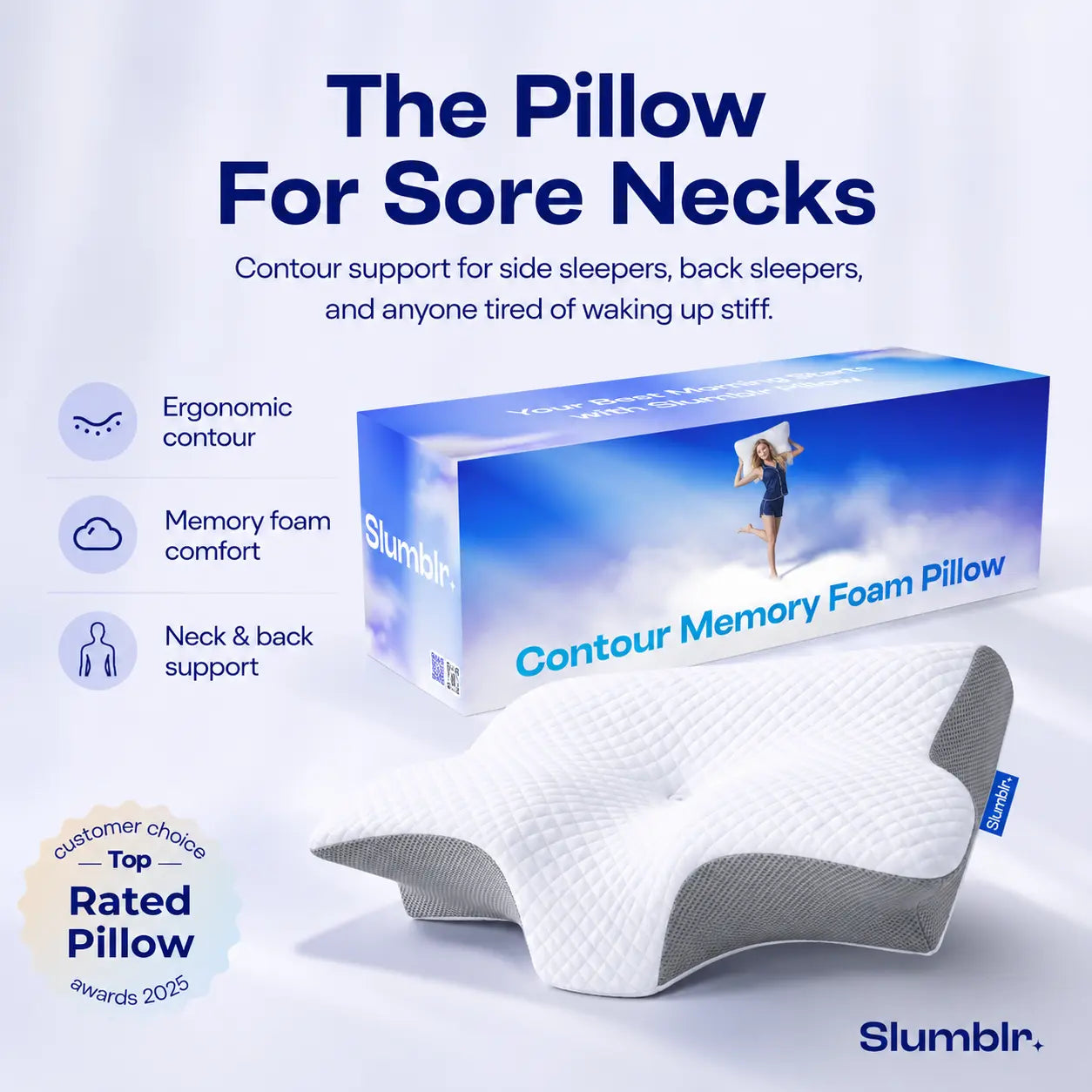
- Sleeping on a pillow that's too flat or too thick As neck curvature changes with age (often due to years of desk work), a pillow that was "good enough" in your 20s may no longer keep your cervical spine neutral. A pillow like the Slumblr® Wave Support Pillow is specifically contoured to cradle the neck's natural curve, reducing the muscle tension that leads to morning stiffness and fragmented sleep.

2. No lumbar support during nighttime reading or winding down Many people read or watch TV in bed before sleep propped up against a flat headboard or a regular pillow. This rounds the lower back and puts pressure on lumbar discs for 30–60 minutes every single night. Switching to a dedicated backrest pillow, like the Slumblr® Memory Foam Lumbar Support Cushion, keeps your spine in a neutral position during those pre-sleep hours, so you go into sleep already relaxed rather than already compressed.

3. Sleeping hot without addressing it Thermal comfort is one of the most underestimated factors in sleep quality. Core body temperature needs to drop 1–2°F to initiate and maintain sleep. If your mattress or topper traps heat, your body struggles to complete this process. The Slumblr® Bamboo Mattress Topper uses natural bamboo fibers, which are significantly more breathable than conventional foam or polyester toppers a straightforward upgrade that makes a measurable difference, especially for those experiencing night sweats.

Building a Sleep Environment That Works for Your Body Now
Your sleep setup in your 40s shouldn't look the same as it did in your 20s. Here's a practical framework:
Step 1: Audit your pillow
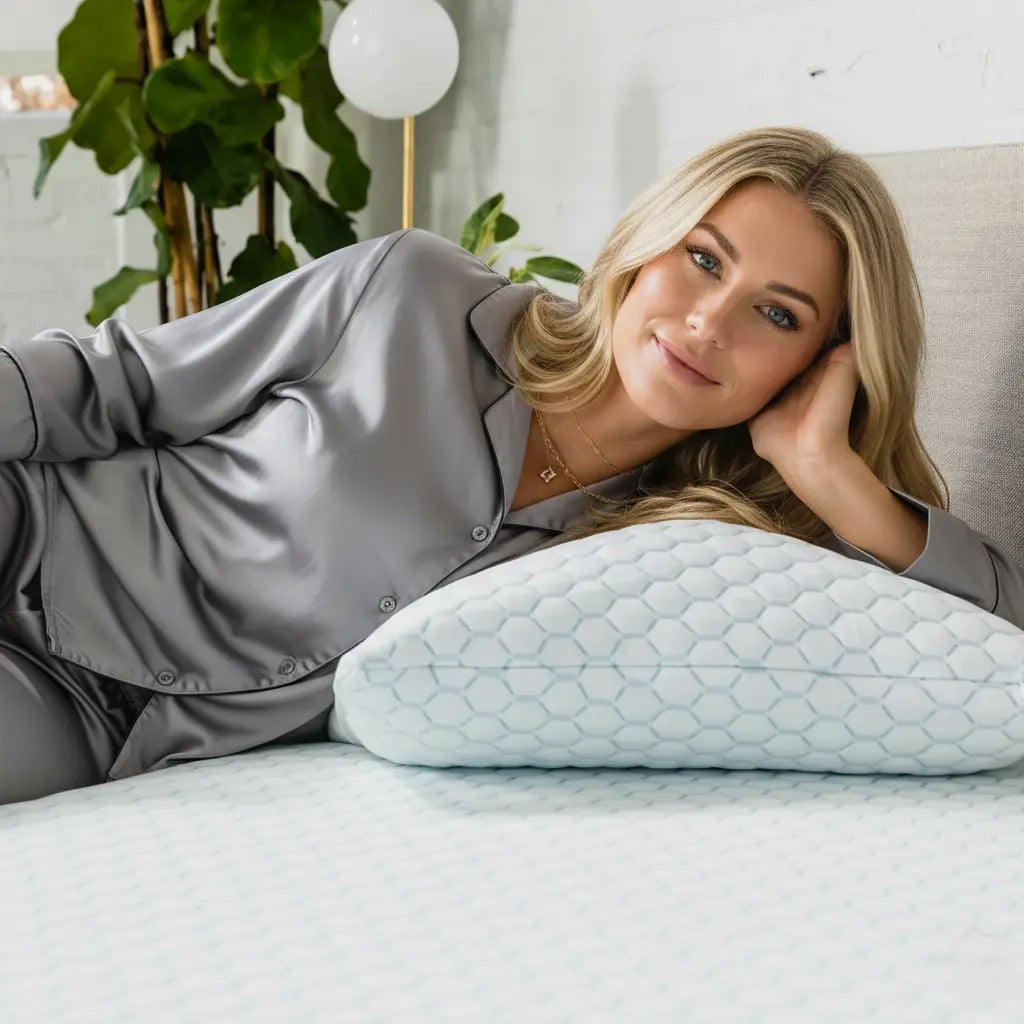
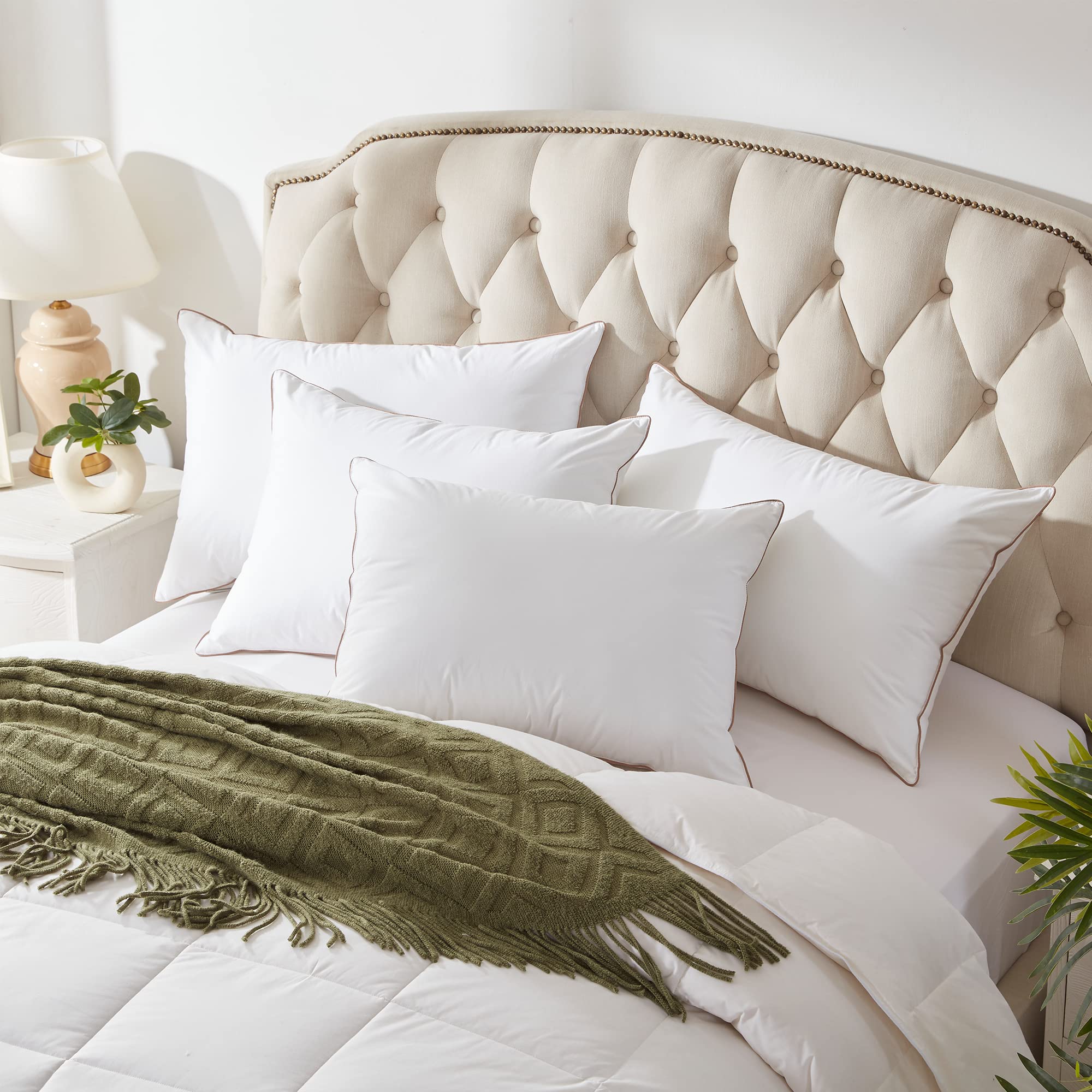
Lie on your side. Have someone look at whether your head is level with your spine, or tilting up or down. If it's off, your pillow height is wrong. Most adults over 40 need a medium-to-firm contoured pillow that actively supports the neck rather than just cushioning it.
Step 2: Address your pre-sleep posture
The 30–60 minutes before you sleep matter. If you're winding down in bed, make sure your lower back is supported. A lumbar cushion or wedge pillow isn't just for office chairs it's one of the highest-impact changes you can make to nighttime back tension.
Step 3: Optimize your thermal environment
The ideal bedroom temperature for sleep is 65–68°F (18–20°C). If you can't control room temperature, control your sleep surface. Breathable materials bamboo, Tencel, natural latex help your body regulate temperature passively throughout the night.
Step 4: Be consistent (yes, even on weekends)
This one isn't about products, but it matters as much as any of them. Your circadian rhythm is sensitive to timing. Sleeping in 2–3 hours on weekends essentially gives yourself "social jet lag" every week, pushing your natural sleep window later and making Monday nights harder. Aim to keep your wake time within 30 minutes of your weekday schedule.

When to See a Doctor
Postural and environmental changes help the majority of people with age-related sleep disruption. But some symptoms warrant professional evaluation:
- Loud snoring or gasping during sleep (possible sleep apnea)
- Waking up with severe headaches
- Persistent insomnia lasting more than 3 months despite lifestyle changes
- Extreme daytime fatigue interfering with daily function
These can indicate underlying conditions hormonal, neurological, or respiratory that go beyond what a better pillow can fix.

The Bottom Line
Middle-age insomnia is real, but it's often not inevitable. A significant portion of sleep disruption after 35 comes from a mismatch between how your body has changed and the sleep setup you've never updated.
Start small: reassess your pillow, add lumbar support to your pre-sleep routine, and consider a breathable mattress topper if you sleep hot. These aren't dramatic interventions but for many people, they're the difference between lying awake at 2 a.m. and actually sleeping through the night.
Your body changed. It's okay for your sleep setup to change with it.
Explore Slumblr's range of ergonomic sleep and support products designed for bodies that have earned a good night's rest.




Leave a comment
This site is protected by hCaptcha and the hCaptcha Privacy Policy and Terms of Service apply.