

































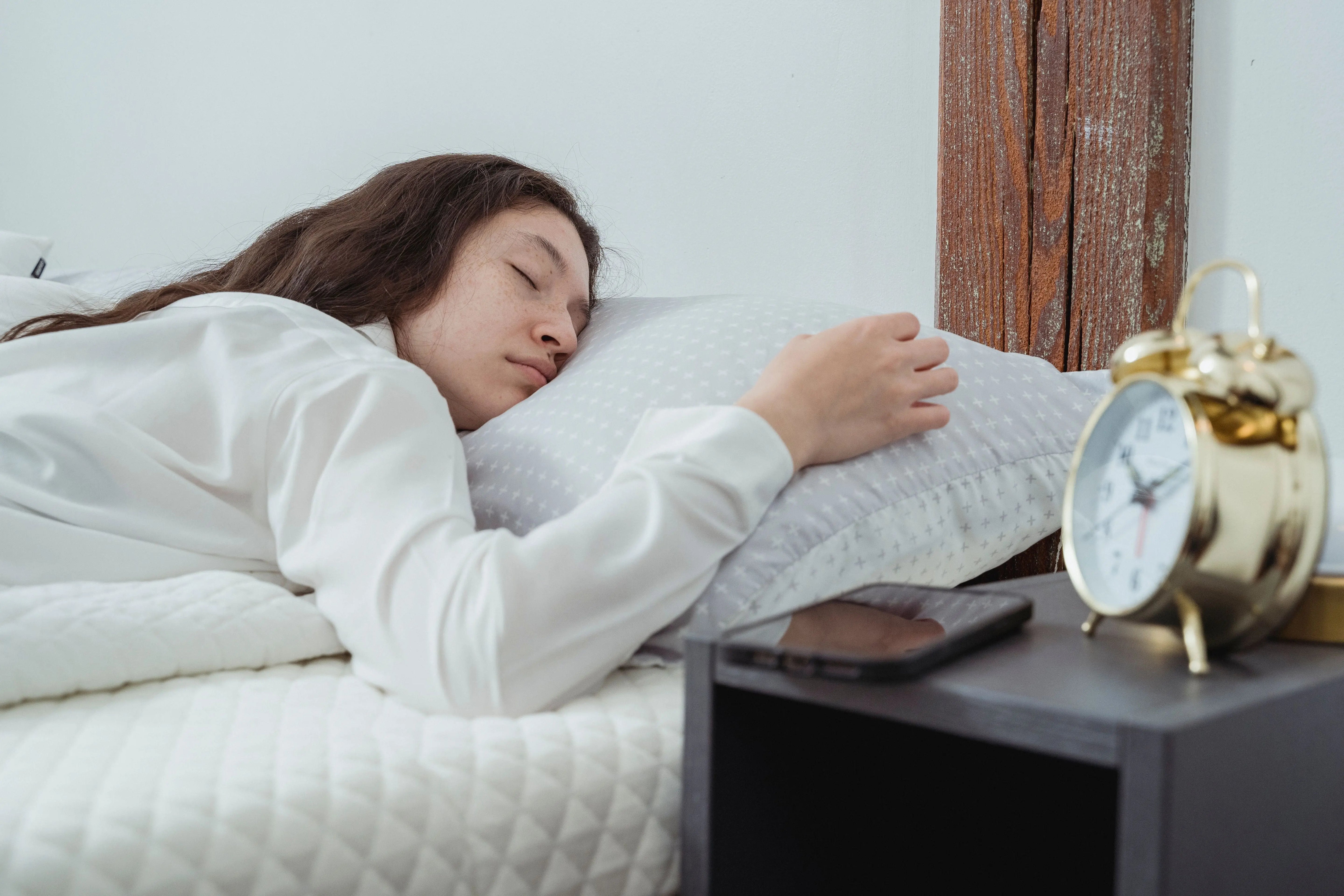
Sleep is supposed to get you through pregnancy. Instead, for many expecting mothers, it becomes the hardest part of the day. The position you are told to sleep in feels increasingly uncomfortable, regular pillows stop doing their job, and every change of position turns into a full production. This guide explains why side sleeping becomes so difficult during pregnancy and walks through the practical changes that make it comfortable again.

Why does side sleeping get harder during pregnancy?
Side sleeping gets harder during pregnancy because your center of gravity shifts, your joints loosen, and your growing belly creates pulling pressure on the lower back and hips. Positions that felt neutral before now leave key areas unsupported, so your body keeps waking you up to adjust.
Several changes stack on top of each other as the weeks pass. Hormones like relaxin loosen the ligaments around your pelvis, which makes hips and lower back more sensitive to poor alignment. The weight of your belly pulls your spine forward when you lie on your side, straining the lower back. Your top knee tends to drop toward the mattress, rotating your pelvis. And pressure on your hips increases every trimester, which is why many expecting mothers start waking up with hip pain even on a mattress that used to feel fine.
None of this means side sleeping is wrong. It means your body now needs external support in places it never needed it before.
What is the recommended sleeping position during pregnancy?
Side sleeping is the position most commonly recommended for pregnancy, particularly from the second trimester onward. Lying on your side keeps weight off major blood vessels and supports healthy circulation for you and your baby, which is why sleep guidance for expecting mothers consistently points toward this position.
The catch is that the recommended position and the comfortable position are often two different things. Being told to stay on your side all night is easy. Actually staying there comfortably, with a belly that needs support, hips that ache, and knees that press together, is the hard part. That gap between what you should do and what feels possible is exactly what the right sleep setup is designed to close.
If you have specific concerns about sleep positions and your pregnancy, your doctor or midwife is always the right person to ask.

Why do regular pillows stop working for pregnancy sleep?
Regular pillows stop working during pregnancy because they are designed to support one area at a time. A pregnant side sleeper needs simultaneous support at the belly, lower back, hips, knees, and ankles. Stacking standard pillows creates a pile that shifts apart every time you move.
Most expecting mothers try the pillow fort approach first. One pillow under the belly, one between the knees, one wedged behind the back. It works for about an hour. Then you roll over, the arrangement collapses, and you are awake at 2 a.m. rebuilding it in the dark. Multiply that by four or five position changes a night and the pillow pile becomes part of the problem.
Standard pillows also flatten under sustained pressure and leave gaps between support points. Your body senses those gaps and keeps micro-adjusting all night, which fragments sleep even when you do not fully wake up.
How does a full body pregnancy pillow actually help?
A full body pregnancy pillow replaces the pillow pile with one continuous support system. The Slumblr® Adjustable Pregnancy Pillow Full Body Support cushions five points at once, the belly, pelvis, lower back, knees, and ankles, so your whole side sleeping position is stabilized by a single pillow that moves with you.
What separates it from fixed shape body pillows is adjustability. Adjustable end fasteners let you reconfigure the pillow into U shaped, J shaped, I shaped, and C shaped positions as your body changes. Early in pregnancy, a simple I shape hugged in front may be all you need. By the third trimester, a fuller U or C configuration supports your belly in front and your lower back behind at the same time, so rolling over does not mean losing support on one side.
Firmness is adjustable too. The pillow is filled with pressure relieving micro beads, and tightening or loosening the end fasteners changes how firm the support feels. That matters because comfort preferences shift across trimesters, and what feels supportive at week 20 can feel too firm or too soft at week 35.
The details make it livable day to day. The removable cover is a soft cotton and spandex jersey blend certified to OEKO-TEX® Standard 100 Class 1, and it is machine washable, which any expecting mother will tell you is not optional. At roughly 59 inches long, it supports from chest to ankles without swallowing the whole bed, and it packs into a reusable travel bag for nights away from home.
It also does not retire after delivery. The same adjustable shapes work for postpartum recovery, nursing support, and everyday side sleeping, so it stays on the bed long after the pregnancy that brought it there.

What kind of head pillow works best next to a body pillow?
When you hug a body pillow, your shoulder and head position change, and many side sleepers find that their usual thick pillow now pushes the neck too high. A lower, flatter head pillow often sits more naturally in this position and keeps the head from tilting upward all night.
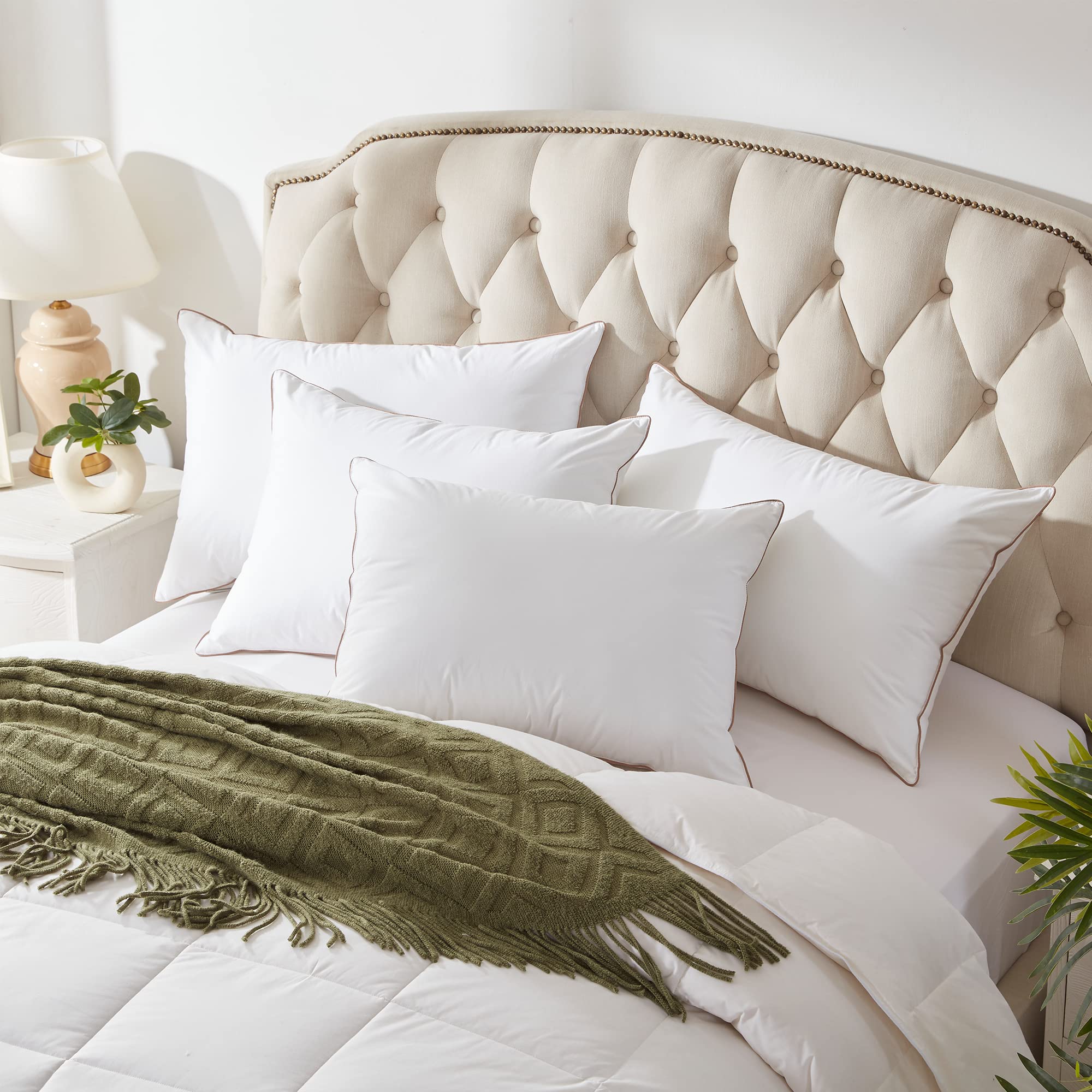
The Slumblr® Pure Cotton Low Loft Pillow is built for exactly this kind of flatter, calmer surface. Its ultra thin profile keeps a consistently low height without puffing up or collapsing, and the pure cotton cover and filling stay breathable through warm pregnancy nights.
It also earns its place as a flexible extra. Because it is slim and lightweight, it works as a gentle booster wherever your setup needs a small assist, tucked near the bump for a touch more lift or slipped behind the lower back alongside the body pillow. One low profile pillow that can move around is far easier to live with than another bulky one competing for space.

How do you stop your sheets from coming loose when you toss and turn?
Sheets come loose during pregnancy sleep because position changes become bigger and more frequent. Rolling over with a body pillow shifts more weight across the mattress, and fitted sheet corners gradually pop free, leaving you sleeping on a wrinkled, bunched surface by morning.
It sounds like a small thing until you are lying on a ridge of bunched fabric at 3 a.m. with a sore hip. The Slumblr® Sheet Gripper Straps solve it with heavy duty corner clips and adjustable elastic straps that hold the fitted sheet tight across the mattress. The adjustable design fits different mattress sizes, and the durable ABS clips are made for nightly use, so the sleeping surface stays smooth no matter how many times you change sides.
A flat, secure sheet also helps the body pillow do its job. Support pillows hold their position better on a taut surface than on loose fabric that slides around with them.

How do you put the full setup together?
A complete pregnancy side sleeping setup has three layers: full body support, a properly sized head pillow, and a stable sleeping surface. Set up each layer once and the whole system keeps working through every position change instead of falling apart at the first roll over.
Start with the Slumblr® Adjustable Pregnancy Pillow Full Body Support in the configuration that matches your stage. Hug the front section so it supports your belly and top knee, and if you are using a U or C shape, let the back section brace your lower back. Place the Slumblr® Pure Cotton Low Loft Pillow under your head and let your shoulder settle in front of it rather than on top of it. Secure your fitted sheet with the Slumblr® Sheet Gripper Straps so the whole arrangement sits on a smooth, stable base.
Give the setup a few nights. Most side sleepers need a short adjustment period before the supported position starts to feel like the default rather than the effort.

FAQ
Why is side sleeping recommended during pregnancy?
Side sleeping keeps weight off major blood vessels and supports healthy circulation for you and your baby. It is the position most commonly recommended by sleep guidance for expecting mothers, particularly from the second trimester onward.
Can a pregnancy pillow really replace multiple regular pillows?
Yes. A full body pregnancy pillow supports the belly, pelvis, lower back, knees, and ankles as one connected system, so it does the job of three or four separate pillows without shifting apart when you change positions.
What shape of pregnancy pillow is best?
It depends on your stage and sleep style, which is why an adjustable design helps. The Slumblr® Adjustable Pregnancy Pillow Full Body Support converts between U, J, I, and C shapes, so you can change the configuration as your body changes instead of buying a new pillow.
Should my head pillow change when I use a body pillow?
Often, yes. Hugging a body pillow changes your shoulder position, and a thick head pillow can push the neck too high. A low loft pillow keeps the head at a flatter, more natural height in this position.
Can I keep using a pregnancy pillow after the baby arrives?
Absolutely. The adjustable shapes work well for postpartum recovery, nursing support, and everyday side sleeping, so the pillow remains useful long after delivery.




Leave a comment
This site is protected by hCaptcha and the hCaptcha Privacy Policy and Terms of Service apply.