

































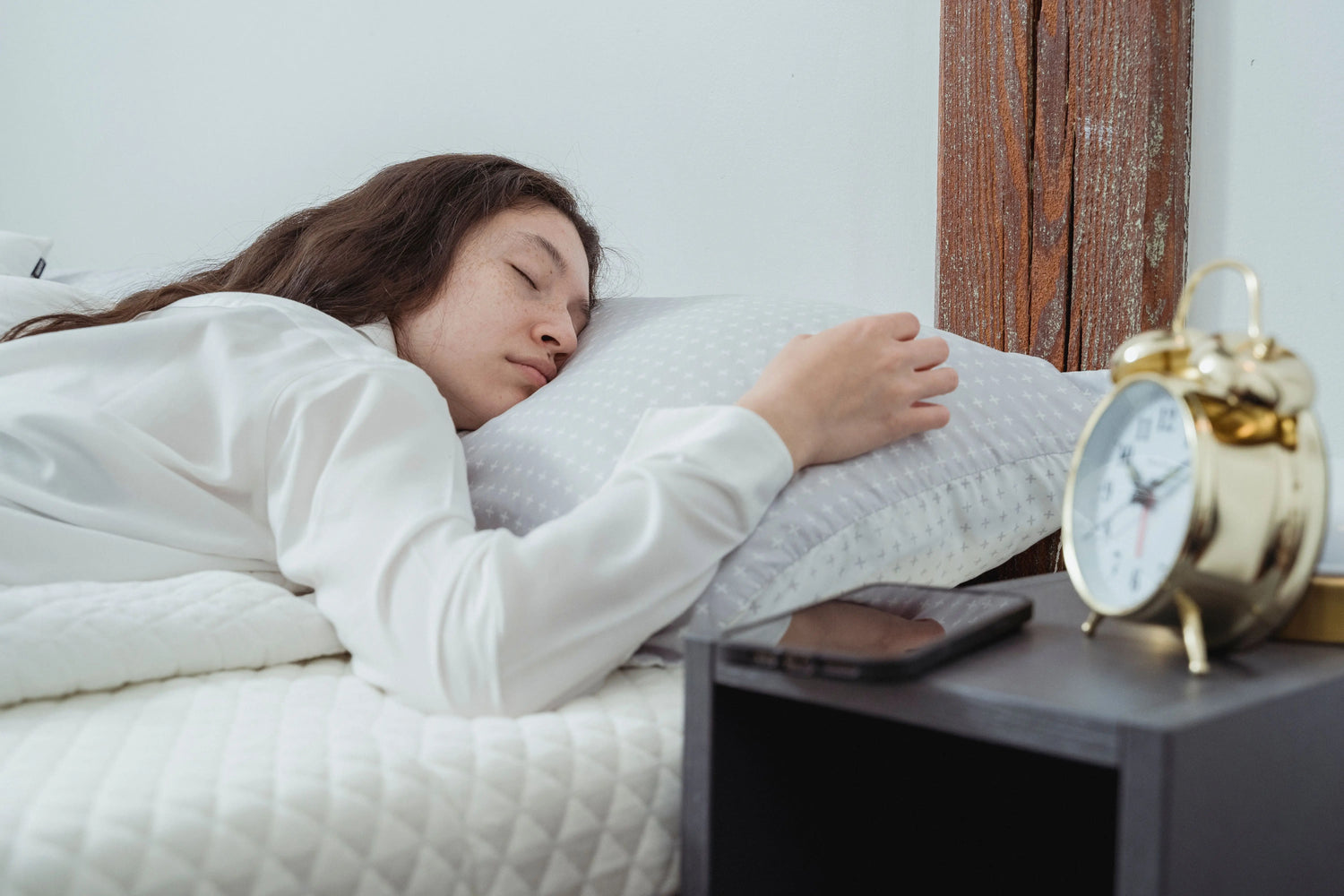
Most people focus on falling asleep faster. The better goal is sleeping deeper. Deep, uninterrupted sleep is where physical recovery, memory consolidation, and hormonal regulation actually happen. The difference between a night that leaves you rested and one that leaves you tired often comes down to your bedroom environment, not willpower or supplements. Here are 12 upgrades that make a measurable difference.

1. Block light completely, not just partially
Light is the single most powerful signal your brain uses to regulate the sleep-wake cycle. Even low-level light exposure during sleep suppresses melatonin production and reduces the proportion of time spent in deep sleep stages. Curtains that let in morning light, streetlight bleed around the edges, or a phone screen across the room all work against the quality of your rest.
The Slumblr® Magnetic Portable Blackout Window Shades eliminate this problem without drilling or permanent installation. Made from triple-weave polyester blackout fabric with a silver-coated reflective backing, they block 100% of sunlight and UV rays and attach using a combined magnetic and suction cup system that holds securely to any window frame. Available in four sizes from 57x79 inches up to 57x157 inches, they fit most standard windows. The compact, foldable design makes them equally practical for travel, rentals, nurseries, and hotel rooms.

2. Replace your pillow with one that actually supports your sleeping position
A pillow that feels comfortable when you first lie down can still fail you over the course of a night. Standard pillows compress unevenly, shift during sleep, and lose their shape progressively through the night, leaving your head and neck without consistent support for hours at a time.
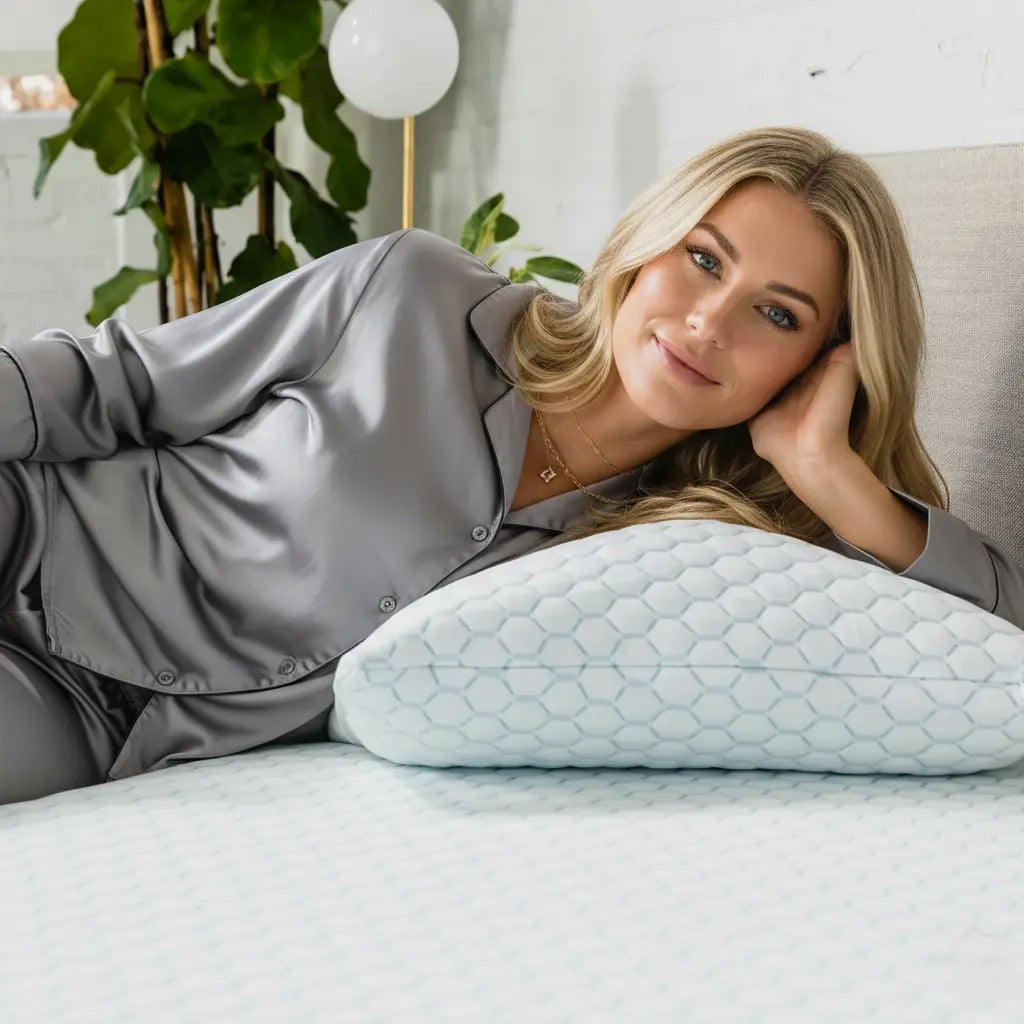
The Slumblr® Contour Pillows 2.0 address this with a premium memory foam core that gently conforms to the natural curves of the head and neck while maintaining its overall shape across repeated nightly use. The refined ergonomic contour design with increased loft and balanced firmness adapts to both side and back sleeping positions, offering consistent support without feeling overly rigid. The breathable, airflow-friendly outer cover maintains a fresher surface feel across varying temperatures. Available in Light Gray and Dark Gray.

3. Add a white noise source specifically designed for bedtime
Ambient noise disruptions are one of the most common causes of fragmented sleep that people do not consciously register. A car outside, a neighbor's TV, or a building settling can pull you from deep sleep into lighter stages repeatedly without waking you fully. You never know it happened, but you feel it the next morning.
A dedicated audio source positioned close to where you sleep provides consistent masking sound at a low volume without the blue light exposure of a phone. The Slumblr® White Noise Pillow Speaker connects via Bluetooth for wireless use, plays white noise directly or streams from any audio source, and includes an automatic shut-off timer so you do not need to remember to turn it off after you fall asleep. Its compact, lightweight build sits comfortably beneath or beside your pillow without affecting sleep comfort. Available in Yellow, Pink, Grey, and Blue.

4. Control your room temperature before you sleep
Core body temperature needs to drop 1 to 2 degrees Fahrenheit to initiate and sustain deep sleep. A room that stays too warm prevents this natural cooling process and keeps you in lighter sleep stages. The optimal bedroom temperature for most adults is between 65 and 68 degrees Fahrenheit (18 to 20 degrees Celsius).
If you cannot adjust your room temperature directly, adjust your sleep surface. Breathable bedding materials, lighter duvets, and pillowcases made from natural fibers all help the body shed heat more effectively. Reserve heavier bedding for genuinely cold nights and switch to lighter, more breathable options as the season warms.
5. Remove all visible light sources from your sleep environment
The blackout window shade handles external light. The second problem is internal: clocks with illuminated displays, charging indicators on electronics, router LEDs, and standby lights on TVs all emit low-level light that contributes to sleep disruption. Cover or remove these sources before bed. A piece of black electrical tape over a router LED costs almost nothing and removes one more signal your brain interprets as a reason to stay alert.

6. Establish a consistent pre-sleep temperature signal
Your body uses environmental cues to anticipate sleep. A warm shower or bath 60 to 90 minutes before bed triggers a natural drop in core temperature as the body cools afterward, which accelerates the onset of deep sleep. Keeping this routine consistent trains your body to begin the sleep transition at the same time each night, regardless of how alert you feel.
7. Use your bedroom only for sleep and rest
The brain forms strong associations between environments and states. Using your bedroom for work, screen time, or high-stimulation activities trains the brain to associate the space with alertness rather than rest. This is one of the simplest behavioral changes with the highest impact on sleep onset time. If you watch content in bed, use it as a passive wind-down activity rather than active engagement, and keep the lighting low.
8. Manage noise from outside your control
White noise handles ambient room noise. External sources like traffic, neighbors, or nighttime construction require a stronger approach. Heavier curtains, door seals, and window coverings add a physical layer of sound dampening that electronic masking alone cannot fully replicate. The same blackout window shades that block light also add a thin acoustic buffer against external noise, particularly high-frequency sound like traffic.

9. Fix your pillow height for your specific sleep position
Pillow height is one of the most commonly wrong variables in a sleep setup, and it affects both sleep quality and how you feel the next morning. Side sleepers need a higher loft to fill the gap between the head and the mattress. Back sleepers need a moderate loft that supports the natural cervical curve without pushing the head too far forward. Stomach sleepers need a very low loft or no pillow at all.
The Slumblr® Contour Pillows 2.0 use a structured contour shape with enhanced thickness specifically designed to address the loft gap that most standard pillows fail to provide consistently. The elevated height accommodates side sleepers who find standard pillows too flat while the contour shaping keeps back sleepers in a neutral cervical position.
10. Reduce blue light exposure in the hour before bed
Screens emit blue-spectrum light that specifically suppresses melatonin production. Reducing screen brightness, using night mode settings, or switching to lower-stimulation activities in the final hour before bed allows melatonin levels to rise naturally and makes sleep onset faster. This is one of the most researched behavioral changes with the clearest sleep benefit. The effect is cumulative: consistent application compounds over days and weeks into measurably better sleep onset.

11. Place your audio source strategically for personal sound without room disruption
Shared bedrooms present a specific challenge: one person's white noise or audio preference can disturb a partner. A pillow-adjacent speaker solves this by directing sound toward one sleeper without filling the room. The Slumblr® White Noise Pillow Speaker's compact form factor and personal audio design make it effective for exactly this use case. The vibrating alarm feature also lets you set a wake time that alerts you personally without disturbing anyone else in the room.
12. Reassess your whole sleep setup at least once a year
Pillows compress and lose support over time. Mattresses develop uneven wear. Curtains fade and lose their blackout effectiveness. Most people replace these items reactively when they break rather than proactively when they stop performing. A yearly check of your main sleep surfaces and light management setup catches degradation before it compounds into months of reduced sleep quality. The improvements listed here are not one-time changes. They require periodic reassessment to stay effective.

FAQ
What bedroom upgrade makes the biggest difference for sleep quality?
Complete darkness is typically the highest-leverage single change. Light exposure during sleep directly suppresses melatonin and disrupts deep sleep stages in a way that temperature, noise, and other variables do not. Installing blackout window coverage addresses the root cause rather than masking a symptom.
Does white noise actually improve sleep quality?
Yes, for people who sleep in environments with variable or unpredictable noise. White noise works by masking sudden changes in sound level rather than eliminating noise entirely. It is the contrast between silence and a sudden sound that pulls the brain toward waking, not the absolute volume. Consistent background sound reduces that contrast effect and helps maintain deeper sleep stages through disruptions.
How often should you replace a memory foam pillow?
Memory foam pillows typically maintain their support properties for two to three years with regular use. Signs that a pillow needs replacing include visible permanent compression in areas where the head rests, waking up with neck stiffness that resolves during the day, and a pillow that no longer returns to its original shape after use.
Shop the Slumblr® sleep essentials collection: Magnetic Portable Blackout Window Shades, Contour Pillows 2.0, White Noise Pillow Speaker





Leave a comment
This site is protected by hCaptcha and the hCaptcha Privacy Policy and Terms of Service apply.